
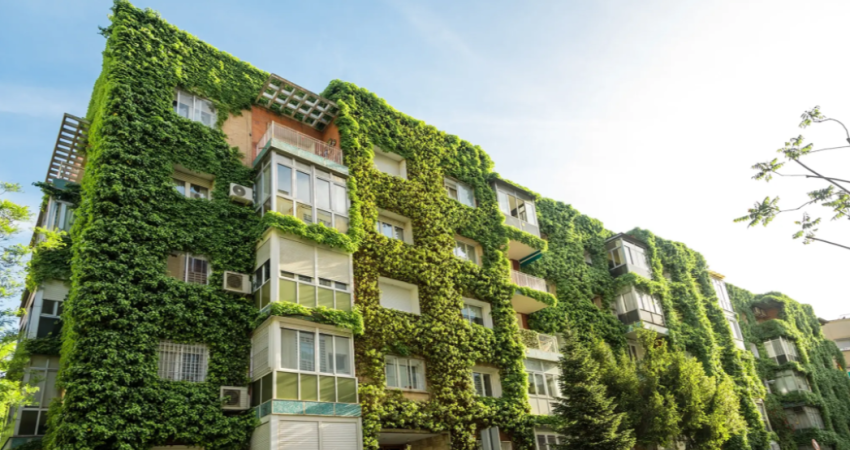
Climate change is reshaping the way buildings are designed, constructed, and maintained. As extreme weather events become more frequent and severe, sustainable building design has emerged as a critical strategy for improving energy efficiency, enhancing indoor environmental quality, and protecting occupant health. From wildfire smoke and rising temperatures to increased humidity and airborne pollutants, climate-related challenges are forcing the construction and facility management industries to rethink traditional building practices and focus on sustainable building design alternatives.
One striking example occurred when wildfire smoke from neighboring regions blanketed major cities, causing severe air quality concerns across large geographic areas. Events like these highlight how climate change affects not only the environment but also public health and the performance of our built environments.
Extreme weather conditions contribute to higher levels of airborne pollutants such as smoke, dust, and pollen. These contaminants can enter buildings through gaps in walls, ceilings, windows, and ventilation systems. Since people spend the majority of their time indoors, maintaining healthy indoor air quality has become an essential component of sustainable building design.
Poor indoor air quality has been linked to respiratory conditions, allergies, reduced workplace productivity, and increased absenteeism. As awareness grows regarding the connection between buildings and human health, facility managers, architects, and building owners have greater opportunities to create healthier indoor environments through thoughtful design and material selection.
Choose Carefully
One effective strategy for reducing indoor allergens and improving occupant well-being is selecting products and materials specifically designed to minimize the presence of asthma and allergy triggers.
Incorporating sustainable materials into building projects can further improve indoor environmental quality while reducing environmental impact. Sustainable building design principles encourage the use of materials that support both human health and environmental responsibility through lower emissions, improved durability, and responsible sourcing.
By carefully selecting products with verified health and environmental performance, building professionals can create spaces that contribute to healthier living and working environments.
Design Thoughtfully
Another important way to improve indoor air quality and reduce energy consumption is by selecting surfaces and finishes that do not easily trap dust, allergens, and other pollutants.
For flooring applications, numerous sustainable options are available, including resilient flooring products, engineered surfaces, and low-maintenance materials that support healthier indoor environments. Area rugs and soft surfaces should be chosen carefully to minimize allergen accumulation and simplify cleaning.
Beyond ease of maintenance, it is equally important to evaluate the ingredients used during manufacturing. Transparency regarding material composition and environmental impact allows designers and facility managers to make informed decisions that support sustainability goals.
Maximizing natural light within interior spaces can further improve energy efficiency while enhancing occupant comfort, productivity, and well-being. Sustainable building design prioritizes daylighting strategies that reduce dependence on artificial lighting while creating healthier indoor environments.
Selecting products with documented environmental and health information can also help support broader green building objectives and long-term sustainability goals.
Maintain Methodically
Routine cleaning and preventive maintenance play a vital role in preserving indoor environmental quality. Many common building products and systems can contribute to indoor air pollution if not properly managed.
Common sources of indoor air pollutants include:
• Chemical cleaning products and air fresheners
• Heating and cooling systems with inadequate filtration
• Excess humidity that promotes mold growth
• Paints, adhesives, and solvents
• Interior finishes and furnishings containing high levels of volatile organic compounds (VOCs)
Incorporating sustainable building design principles into maintenance practices can help optimize building performance throughout its entire life cycle while improving occupant health and comfort.
Research has shown that lower concentrations of indoor pollutants can improve cognitive performance, increase productivity, and enhance overall workplace well-being. Improved ventilation rates have also been linked to better concentration and decision-making abilities among building occupants.
When selecting cleaning products, coatings, finishes, or pest management solutions, building managers should prioritize low-emission alternatives that minimize indoor pollutant levels while maintaining performance.
Heating, ventilation, and air conditioning (HVAC) systems also require regular inspection and maintenance. Routine servicing helps ensure proper filtration, airflow performance, and moisture control while reducing the risk of mold growth and allergen accumulation.
Additional strategies such as installing air purification systems and humidity control equipment can further improve indoor environmental quality and support healthier building operations.
When buildings are designed, maintained, and operated with occupant health in mind, they can contribute to improved quality of life while reducing environmental impact.
Your Takeaway: 20 Ideas for Sustainable Building Design
Creating sustainable building designs is essential for reducing environmental impact, improving energy efficiency, and supporting long-term sustainability. Here are 20 ideas to incorporate into your next project.
1. Energy Efficiency
Prioritize building designs that reduce energy consumption through efficient lighting, appliances, insulation, and HVAC systems.
2. Solar Panels
Incorporate solar energy systems to generate renewable electricity, reduce utility costs, and decrease dependence on fossil fuels.
3. Natural Resources
Take advantage of natural light, passive solar heating, and natural ventilation to reduce energy demand.
4. Sustainable Materials
Use recycled, reclaimed, renewable, and environmentally responsible materials with lower environmental footprints.
5. Green Roofs
Install green roofs to improve insulation, manage stormwater, support biodiversity, and reduce urban heat island effects.
6. Natural Ventilation
Design buildings to maximize natural airflow, improving indoor air quality while reducing reliance on mechanical cooling systems.
7. Sustainable Architecture
Apply sustainable architecture principles that balance environmental responsibility, energy efficiency, and occupant well-being.
8. Renewable Energy
Integrate renewable energy technologies such as solar and wind systems to reduce greenhouse gas emissions.
9. Natural Lighting
Maximize daylight access throughout interior spaces to improve occupant comfort and lower electricity consumption.
10. Sustainable Elements
Incorporate water conservation features such as rainwater harvesting systems and greywater recycling technologies.
11. Energy Performance
Design buildings that exceed minimum energy performance standards and deliver long-term operational savings.
12. Green Building Certifications
Pursue recognized sustainability certifications that demonstrate environmental performance and commitment to green building practices.
13. Natural Habitat
Protect existing ecosystems and integrate native landscaping to support biodiversity and environmental resilience.
14. Energy-Efficient Heating and Cooling
Utilize high-efficiency heating and cooling technologies to minimize energy use and operating costs.
15. Carbon-Neutral Office Buildings
Develop carbon-neutral facilities by combining energy efficiency measures, renewable energy generation, and carbon reduction strategies.
16. Operational and Maintenance Practices
Implement sustainable operational procedures that maintain energy efficiency and building performance throughout the facility’s life cycle.
17. Local Ecosystems
Create landscapes that support local wildlife, conserve water, and promote ecological balance.
18. Sustainable Transportation Methods
Encourage sustainable transportation by providing bicycle facilities, electric vehicle charging stations, and access to public transit.
19. Recycled and Reclaimed Building Materials
Incorporate recycled and reclaimed materials to reduce waste, conserve resources, and lower embodied carbon.
20. Adaptation of Existing Buildings
Retrofit existing structures with modern sustainable technologies to improve performance while reducing the need for new construction.
Conclusion
Sustainable building design plays a crucial role in addressing the challenges posed by climate change while creating healthier, more resilient, and energy-efficient environments. By carefully selecting materials, prioritizing indoor air quality, improving energy performance, and adopting responsible maintenance practices, building professionals can significantly reduce environmental impacts and enhance occupant well-being.
As climate-related challenges continue to evolve, sustainable building design will remain a key strategy for creating buildings that support environmental stewardship, economic efficiency, and long-term human health. Through thoughtful planning and innovation, both new and existing buildings can contribute positively to a more sustainable future.