
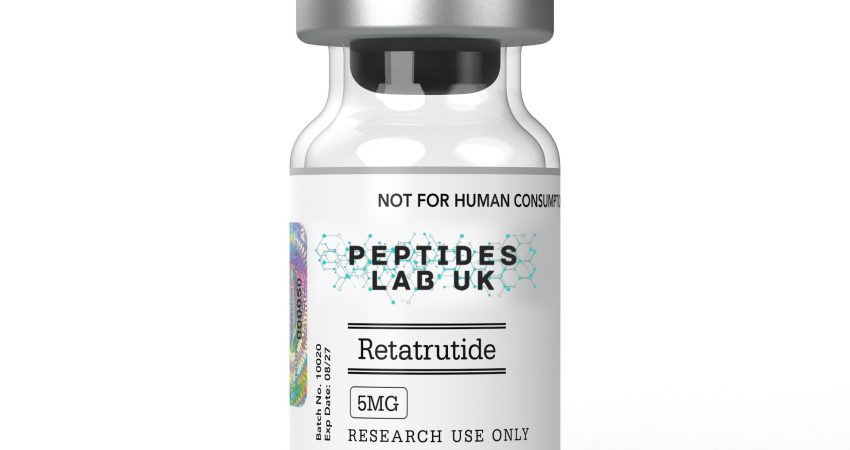
The global peptide therapeutics market was valued at approximately USD $39.1 billion in 2023 and is projected to grow at a compound annual growth rate of 6.8% through 2030, according to Grand View Research. Driving much of that momentum is a growing body of scientific interest in peptide injections as a precise, bioavailable method of delivering short-chain amino acid sequences directly into the body for research purposes. As laboratories and researchers seek more reliable compounds, purity standards and administration methods have moved to the center of the conversation.
Why Administration Method Matters in Peptide Research
Not all delivery methods are created equal. Oral peptide compounds face significant degradation challenges—studies estimate that enzymatic breakdown in the gastrointestinal tract can reduce bioavailability by as much as 90% in certain peptide sequences. Injectable formats, by contrast, bypass first-pass metabolism entirely, allowing the compound to enter circulation with measurably higher absorption efficiency.
This difference has major implications for research accuracy. When a study relies on consistent dosing, unpredictable absorption introduces variables that compromise results. That is one core reason why injectable formats remain the standard in laboratory settings globally.
Purity as a Research Variable
Compound purity directly affects the validity of research outcomes. Even a 95% pure peptide sample introduces 5% unknown content, which can alter cellular response data in ways that are difficult to isolate. The standard benchmark among serious research institutions has increasingly shifted toward compounds verified at 99% purity or above.
Verification methods matter just as much as the purity claim itself. High-Performance Liquid Chromatography (HPLC) and Mass Spectrometry (MS) are the two gold-standard analytical techniques used to confirm peptide identity, sequence accuracy, and concentration. Without both, a purity figure is largely unverifiable.
Which Peptides Are Most Studied for Fat Loss and Muscle Recovery?
Research interest in specific peptide classes has grown substantially over the past decade. Some of the most frequently studied sequences in peer-reviewed literature include:
AOD-9604 — A modified fragment of the human growth hormone sequence, studied for its potential role in metabolic regulation and fat metabolism research.
BPC-157 — A synthetic peptide derived from a gastric protein, widely researched for tissue repair and recovery applications.
Ipamorelin — A selective growth hormone secretagogue studied for its role in stimulating natural GH pulses without significantly elevating cortisol or prolactin levels.
Tesamorelin — A synthetic analogue of growth hormone-releasing hormone (GHRH), with a notable research profile focused on visceral fat reduction and metabolic health.
MOTS-C — A mitochondria-derived peptide, gaining attention in longevity and metabolic research circles for its influence on cellular energy regulation.
These sequences represent a cross-section of the peptide categories attracting the most scientific attention, though research is ongoing and applications remain under active investigation.
The Canadian Peptide Research Landscape
Canada has seen measurable growth in domestic peptide sourcing activity, driven by both academic institutions and independent research professionals seeking locally verified compounds with traceable quality controls. Proximity to the supply chain reduces degradation risk during transit—a practical concern given that peptide stability can be compromised by temperature fluctuations during international shipping.
Researchers operating within Canada benefit from suppliers who combine rigorous synthesis protocols with local logistics. Same-day dispatch on verified orders, combined with cold-chain considerations, keeps compound integrity intact from lab to lab bench.
Setting the Standard for Peptide Research Quality
The numbers point in one direction: the demand for high-purity, reliably sourced peptide compounds is expanding, and the research community’s expectations around verification and transparency are rising with it.
At The Peptide Labs, every compound is synthesized to exceed 99% purity and verified through both HPLC and Mass Spectrometry before it reaches a researcher’s hands. For those conducting serious peptide research in Canada, that level of analytical rigor is not optional—it is the baseline.