
In industries where structural integrity is non-negotiable, even the smallest defect can lead to serious consequences. Bridges and pipelines, heavy machinery and pressure vessels, the quality of the joints and materials is vital to the strength of a structure. This is why inspection is not an end-of-task. It is an important procedure that is inbuilt in production.
Here is the truth however. Contemporary engineering needs beyond superficial examinations. The more complex the materials, designs, and load requirements are, the more advanced should be the inspection methods. Companies today are guided by more sophisticated methods and methodologies to make sure that structures are safe, strong and that they meet international standards.
Why Welding Demands Specialized Inspection
Welding is a key process in structural production. It permanently fuses materials, usually at very high temperatures and pressures, forming points that need to resist mechanical forces, exposure to the environment, and extended usage. A poor weld does not pass away silently. It may be a chain reaction that will impact the whole structure.
Here Welding Inspection is necessary. It is concerned with the detection of defects like cracks, porosity, incomplete fusion and distortion. Not all these problems can be observed at first sight, this is why the inspectors use not only visual skills but also the most sophisticated methods of testing. In the absence of this degree of scrutiny, structural reliability would be left to chance.
Key Techniques Used in Structural Inspection
Inspection now is a blend of the old and the new technologies. All methods have their purpose, and defects, both on the surface and internal, are efficiently identified. The aim is not complex but vital: do not leave any chance of unveiled failures.
- Visual Testing (VT): Visual inspection is the initial stage of inspection and involves observation of visible defects, weld shape and surface irregularities.
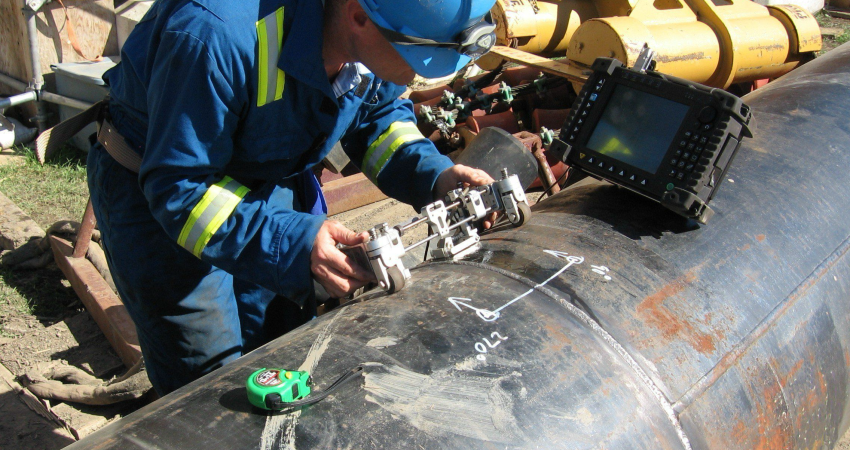
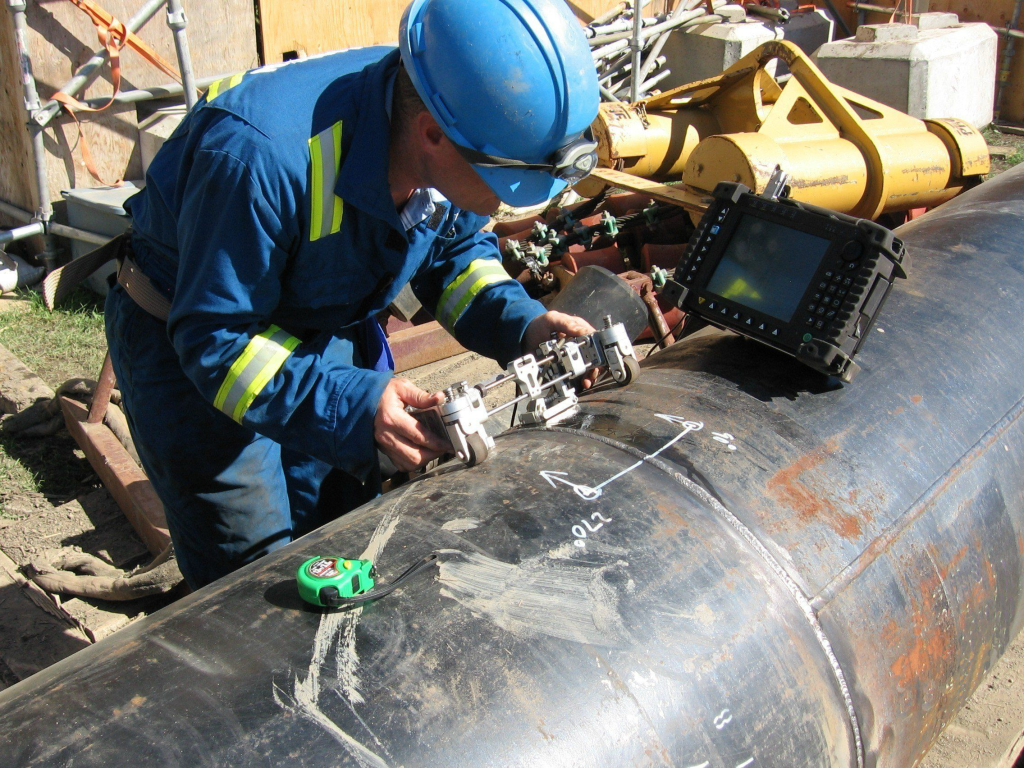
- Ultrasonic Testing (UT): This is based on the high-frequency sound waves used to identify internal discontinuities in the deepest part of materials.
- Radiographic Testing (RT): Gives internal images in great detail with the help of X-rays or gamma rays, and is best suited to critical welds.
- Magnetic Particle Testing (MT): Surface and near-surface defects in ferromagnetic materials are highlighted.
- Dye Penetrant Testing (PT): This is a test that shows fine cracks on the surface with the help of liquid dye and developer.
All these combined form a stratified inspection system. When one technique fails, the other will tend to pick it up and the chances of failure are minimal.
Standards and Compliance Requirements
The inspection processes do not work in vacuity. They are also governed by very strict international standards that stipulate how testing is to be performed and what should be considered a good quality. These standards provide uniformity particularly in those industries where safety is of paramount importance.
The inspection procedures are detailed frameworks that are offered by organizations like AWS, ASME and ISO. They describe acceptance criteria, documentation practices and qualification requirements of the inspectors. In following these standards, manufacturers are not only providing safety but also credibility in international markets whereby compliance is a requirement.
Challenges in Welding and Structural Inspection
In spite of technological progress, inspection is associated with problems. The reliance on competent professionals is one of the key problems. The interpretation of test results is a demanding task and it needs experience and accuracy especially when it comes to techniques such as ultrasonic or radiographic testing. A false alarm can either miss a flaw, or raise an alarm on a non-problem, neither of which can be inexpensive.
The other difficulty is the need to adjust to new materials and production processes. The complexities presented by high-strength alloys, composite and automated welding systems might be difficult to overcome by traditional inspection systems. To that the stress of strict production schedules, and inspection accuracy is even more challenging.
Why a Systematic Inspection Approach Matters
A systematic inspection method will provide uniformity in the entire production process. Companies are no longer using isolated checks but rather they are incorporating inspection in the whole manufacturing lifecycle. This involves planning of pre-production, in-process control and verifying before delivery.
This would not only increase the level of defect detection, but also the level of control of the processes. Early detection of problems can be addressed with corrective measures without causing much delay or expenses. This ultimately results in high quality products, less rework and higher efficiency in operations.
Conclusion
Safety of the structure cannot be achieved by mere good design and materials. It requires a strict inspection system that is able to identify, examine and eliminate errors at all levels. Through the integration of new and more sophisticated methods and standardized practices, industries may greatly minimize the risks and enhance reliability.
Here Welding Inspection and Quality Control Inspection are very important in ensuring the structural integrity. The combination of them creates a holistic system that is not only able to comply with the requirements but also establishes long-term confidence in engineered products.