
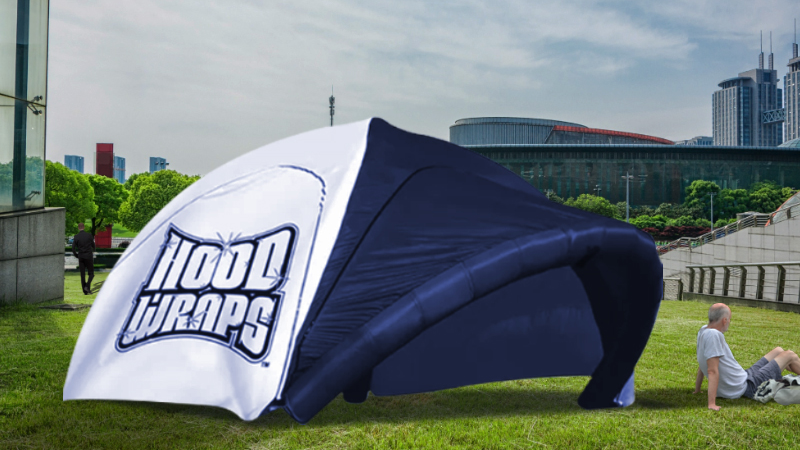

In recent years, the sales of commercial tents (sprzedaż namiotów handlowych) market has expanded far beyond its traditional roots of providing shelter for outdoor events and camping. Today, tents serve a variety of purposes, from pop-up shops and restaurants to disaster relief and emergency shelters. This blog post explores the key trends shaping the commercial tent industry and the opportunities they present for businesses and consumers alike.
Rising Demand for Versatile Structures
One major trend in the commercial tent market is the increasing demand for versatile structures. Businesses and event organizers are looking for solutions that can be quickly deployed and adapted to various functions. This includes everything from outdoor dining areas to temporary storage facilities. With the ability to customize size, shape, and features, commercial tents offer a flexible option that can meet diverse needs.
Versatile tents are especially popular in urban settings, where space constraints often necessitate innovative solutions. Companies are taking advantage of this trend by offering modular tent systems that can be easily assembled, disassembled, and transported. This makes them a cost-effective choice for businesses seeking temporary or semi-permanent structures.
Additionally, the versatility of commercial tents extends to their design. Many manufacturers now offer a range of aesthetic options, allowing businesses to create eye-catching installations that align with their brand identity. From sleek, modern designs to rustic, charming setups, the possibilities are endless.
Sustainability and Eco-Friendly Solutions
Sustainability is another important trend in the commercial tent market. With growing awareness of environmental issues, there is an increasing demand for eco-friendly tent solutions. This includes the use of recyclable materials, energy-efficient designs, and sustainable manufacturing processes.
Manufacturers are responding to this demand by developing tents made from recycled and biodegradable materials. These options not only reduce the environmental impact but also appeal to environmentally conscious consumers and businesses. In addition, some companies are incorporating solar panels and rainwater collection systems into their tent designs, further enhancing their sustainability credentials.
The shift towards eco-friendly tents is also driven by regulatory changes and incentives aimed at promoting sustainable practices. This presents opportunities for businesses in the industry to innovate and differentiate themselves through green initiatives.
Technological Advancements in Tent Design
The commercial tent market is witnessing significant technological advancements that enhance both functionality and user experience. These innovations range from improved weather resistance to smart features that enhance convenience and safety.
For instance, modern tents are now equipped with advanced insulation materials that provide better temperature control, making them suitable for use in extreme weather conditions. Additionally, innovations in fabric technology have led to tents that are more durable and resistant to wear and tear, extending their lifespan and reducing replacement costs.
Smart technology is also making its way into the tent industry. Some manufacturers offer tents with integrated lighting, climate control, and even Wi-Fi capabilities. These features enhance user comfort and make tents a viable option for high-tech applications, such as remote workspaces and pop-up innovation hubs.
Opportunities for Growth and Expansion
The evolving trends in the commercial tent market present numerous opportunities for growth and expansion. Businesses in this industry can capitalize on the increasing demand for versatile, sustainable, and technologically advanced structures.
Entrepreneurs and investors can explore partnerships with event planners, construction companies, and hospitality providers to offer tailored tent solutions. Additionally, tapping into niche markets, such as glamping and luxury outdoor experiences, can open up new revenue streams.
Furthermore, as the world continues to grapple with challenges like climate change and natural disasters, there is an opportunity for tents to play a vital role in providing emergency shelter and relief. Developing specialized tents for disaster response and humanitarian efforts can contribute to social good while also driving business growth.
In conclusion, the commercial tent market is undergoing a transformation driven by trends in versatility, sustainability, and technology. Businesses that adapt to these changes and seize the opportunities they present will be well-positioned for success in this dynamic industry. Whether you’re a manufacturer or a consumer, staying informed about the latest developments in the commercial tent market can help you make the most of this exciting sector.